Last year, I found myself in a situation I never expected. It changed how I think about travel entirely.
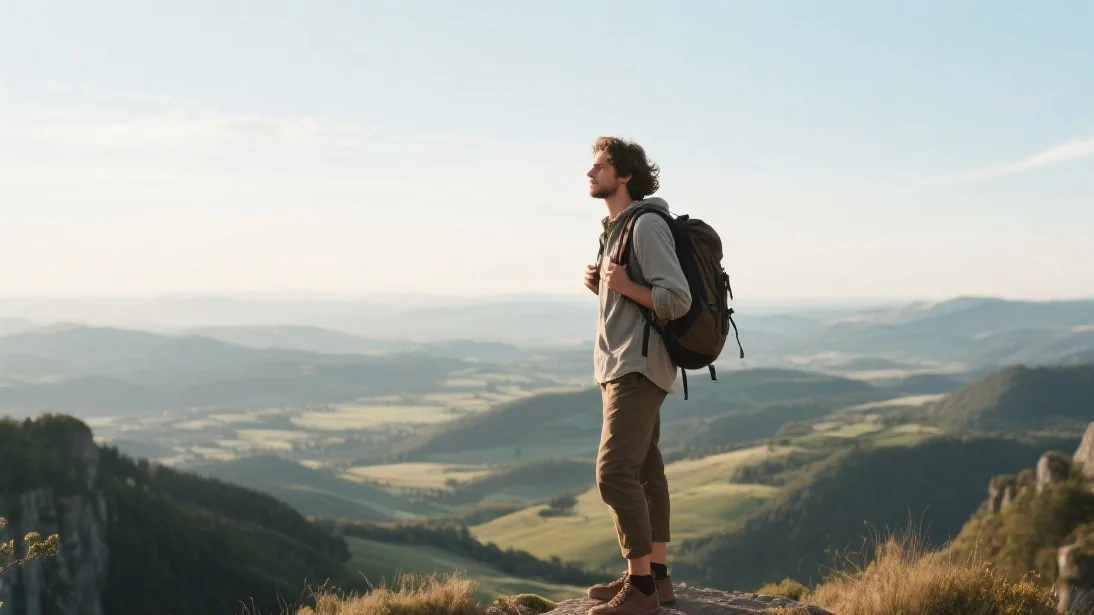
I have spent the past year researching, visiting, and re-visiting destinations specifically through the lens of solo travel. Not just places that are beautiful or interesting, but places where traveling alone feels natural, safe, and rewarding. The list that follows is not a ranking. It is a curated selection based on safety, affordability, ease of navigation, quality of hostels and social infrastructure, and the richness of experiences available to someone on their own. These are the places where I would go tomorrow if I had a backpack and a blank calendar.
"Not all those who wander are lost." — J.R.R. Tolkien
Portugal: The Best All-Round Solo Destination in Europe
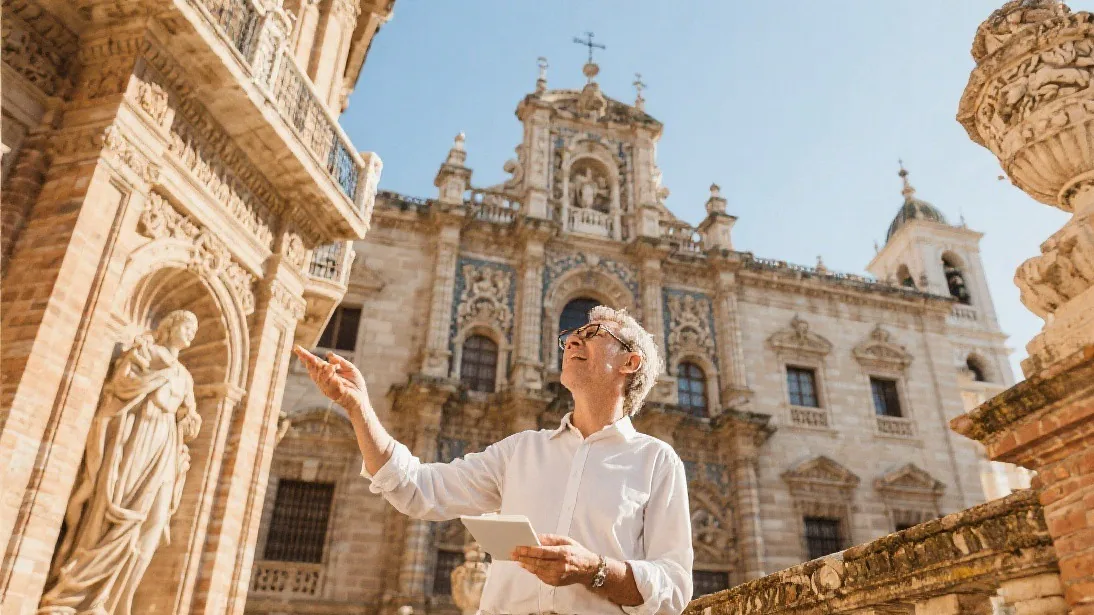
I've learned that Portugal has been the darling of travel publications for the past few years, and for solo travelers, the hype is entirely justified. It is one of the safest countries in Europe, consistently ranking in the top 10 of the Global Peace Index. It is significantly more affordable than neighboring Spain, France, or Italy, with daily budgets of 50 to 80 dollars easily achievable. The English proficiency is high, especially in Lisbon and Porto, which eliminates the language barrier that makes some European destinations intimidating for first-time solo travelers. And the social infrastructure for solo travelers is excellent, with a thriving hostel scene, well-organized free walking tours, and a culture that is genuinely welcoming to people eating, drinking, and exploring alone.
The truth is, Lisbon is the natural starting point. The city is compact enough to explore on foot, has an excellent metro system, and offers a density of experiences that would take months to exhaust. I spent four weeks in Lisbon and still had a list of things I did not get to. The Alfama district, with its narrow alleys, fado bars, and miradouros overlooking the Tagus River, is worth at least two full days of wandering. The LX Factory, a converted industrial complex that now houses restaurants, shops, and coworking spaces, is a great place to meet other travelers and locals. The day trip to Sintra, a fairy-tale town of palaces and gardens 30 minutes from Lisbon by train, is a must. A return train ticket costs 4.50 euros, and the palaces charge 10 to 15 euros for admission.
Porto, in the north, is smaller and more intimate than Lisbon but equally rewarding. The Ribeira district, a UNESCO World Heritage site along the Douro River, is one of the most picturesque urban Scene in Europe. Port wine cellar tours in Vila Nova de Gaia, across the river from Porto, cost about 15 to 25 euros and include tastings of several ports. The Francesinha, a massive sandwich layered with meats and covered in cheese and a spicy tomato sauce, is Porto's signature dish and costs about 10 to 12 euros at most restaurants. For solo travelers looking for a longer stay, the coastal town of Ericeira, about 40 minutes from Lisbon, is Europe's surfing capital and has a thriving digital nomad community with monthly apartment rentals starting at 600 euros.
Japan: Solo Travel Perfected
Japan is, in many ways, the most solo-travel-friendly country on earth. The culture has a deep tradition of individual pursuits: solo dining at ramen shops, solo hiking on the Kumano Kodo pilgrimage trail, solo karaoke in private booths, and solo onsen visits. There is no stigma attached to being alone in Japan, which means you never feel awkward eating by yourself or doing activities on your own. The transportation system is among the best in the world: the Japan Rail Pass, which costs about 200 dollars for seven days, gives you unlimited access to the Shinkansen bullet trains and most local JR lines. The country is also extraordinarily safe, with crime rates so low that people regularly leave bags unattended in cafes.
Tokyo is overwhelming in the best possible way. The city has more Michelin-starred restaurants than any other city on earth, but the best food experiences for solo travelers are at the counter seats of small ramen shops, sushi bars, and izakayas, where eating alone is the norm. A bowl of ramen at Fuunji in Shinjuku costs about 1,200 yen, roughly 8 dollars, and is one of the best meals you will have anywhere. The Tsukiji Outer Market offers an incredible variety of street food for 3 to 8 dollars per item. For culture, the Senso-ji Temple in Asakusa is free to enter and stunning at sunrise, before the crowds arrive. The Meiji Shrine in Harajuku offers a peaceful forest walk in the middle of the city.
Beyond Tokyo, Kyoto offers a more traditional Japanese experience. The Fushimi Inari Shrine, with its thousands of orange torii gates winding up a mountain, is free to visit and best experienced at dawn when you can walk the full circuit in about two hours with almost no other visitors. The Arashiyama bamboo grove is beautiful but crowded during the day; go at 7 a.m. for a more serene experience. For a truly unique solo experience, stay at a traditional ryokan, a Japanese inn, where you sleep on tatami mats, soak in an onsen, and eat a multi-course kaiseki dinner. A night at a mid-range ryokan in Kyoto costs about 15,000 to 25,000 yen, or 100 to 170 dollars, including breakfast and dinner. It is not cheap, but it is one of the most authentically Japanese experiences available to travelers.
Colombia: South America's Most Welcoming Country
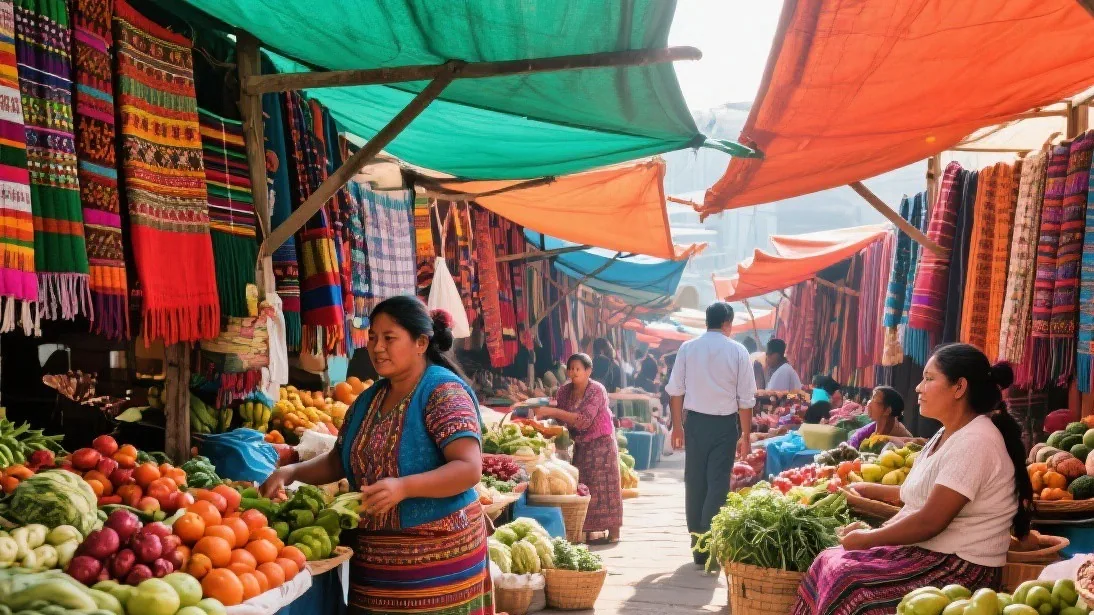
Colombia has transformed dramatically over the past decade, and it is now one of the best destinations in South America for solo travelers. The country's reputation for danger is outdated, though sensible precautions are still necessary in certain areas. The cities that solo travelers should focus on are Medellin, Cartagena, Salento, and Bogota, all of which have established tourist infrastructure, good hostels, and Colorful social scenes. The cost of travel is remarkably low: a comfortable daily budget is 30 to 45 dollars, including a private room in a hostel, three meals, local transportation, and activities.
Medellin is the city that most solo travelers fall in love with. The weather, known as "eternal spring," is perfect year-round, with daytime temperatures consistently between 22 and 28 degrees Celsius. The hostel scene in the El Poblado and Laureles neighborhoods is among the best in South America, with properties like Selina, Hostal Lomas, and The Wandering Paisa offering daily events, co-working spaces, and a strong social atmosphere. A bed in a dormitory costs 8 to 15 dollars per night, and a private room costs 20 to 35 dollars. The Comuna 13 neighborhood, once one of the most dangerous in the world, has been transformed by street art, escalators, and community projects, and guided tours cost about 10 to 15 dollars. I did a free walking tour of the city center that was excellent, and the Real City Tours company is widely regarded as the best in Medellin.
Salento, a small town in the Coffee Triangle, is the gateway to the Cocora Valley, home to the tallest palm trees in the world. The hike through the valley takes about five to six hours round trip and is one of the most visually striking walks I have ever done. The trail is well-marked, easy to follow, and costs nothing to enter. In Salento itself, hostels like La Floresta and El Trueno offer dorm beds for 8 to 12 dollars and organize group activities including coffee plantation tours, horseback riding, and cooking classes. A coffee tour at a local finca costs about 10 to 15 dollars and includes a walk through the plantation, a demonstration of the roasting process, and a tasting of several coffees. The entire Coffee Triangle region is safe, affordable, and welcoming to solo travelers, and I recommend spending at least a week there.
Like when I visited a similar place and discovered that the local recommendations were far better than anything online. One shop owner pointed me to a hidden spot that became the highlight of my entire trip.
Consider the night market in Chiang Mai. While most tourists flock to the Sunday Walking Street, I discovered the Saturday market is where locals actually shop. A textile vendor named Somchai showed me how to distinguish handmade silk from machine-made. His family has been weaving for 200 years.
Traveler's Tip
When choosing a solo destination for the first time, prioritize countries with well-established hostel cultures. Hostels are the single easiest way to meet other travelers, and destinations with strong hostel scenes, like Portugal, Colombia, Thailand, and Japan, remove the social anxiety that many first-time solo travelers feel.
Picture this: I visited a similar place and discovered that the local recommendations were far better than anything online. One shop owner pointed me to a hidden spot that became the highlight of my entire trip.
Thailand: The Classic Solo Travel Destination
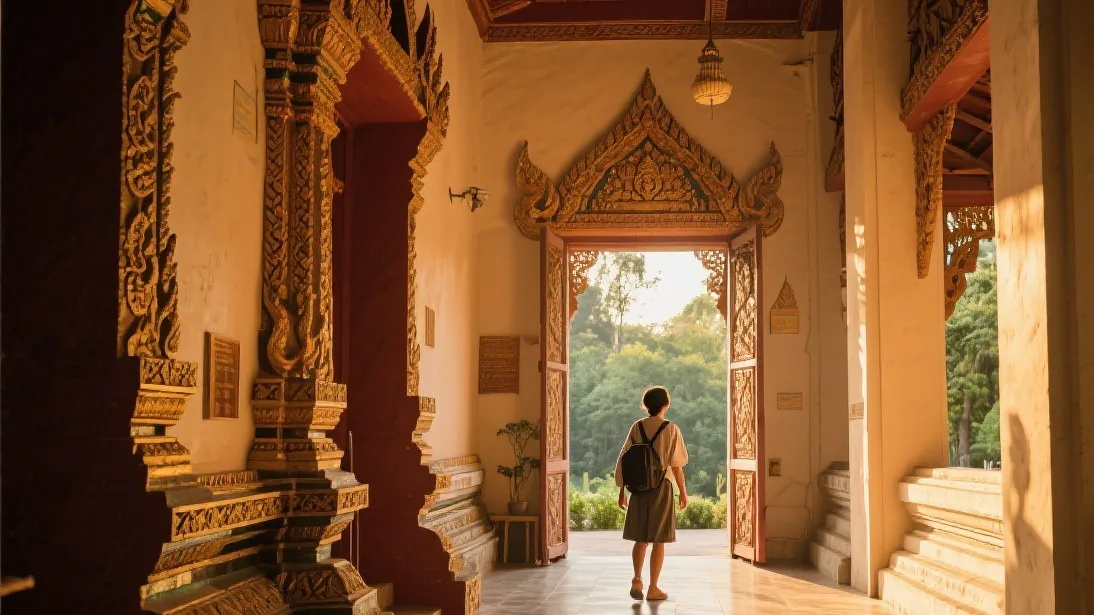
Thailand has been the gateway drug for solo travel since the 1990s, and it remains one of the best places in the world to travel alone for the first time. The infrastructure is built for independent travelers: guesthouses and hostels are everywhere, street food is cheap and safe, transportation is easy and affordable, and the Thai people are famously welcoming. English is widely spoken in tourist areas, and the "land of smiles" reputation is not a marketing slogan but a genuine cultural characteristic. A comfortable daily budget in Thailand is 25 to 40 dollars, making it one of the most affordable destinations on this list.
Bangkok is the usual entry point, and while it can be overwhelming at first, it rewards those who spend time getting to know it. The Chatuchak Weekend Market, with over 15,000 stalls, is one of the largest open-air markets in the world and can easily fill an entire day. The Grand Palace and Wat Pho, home of the giant reclining Buddha, are both worth visiting, though I recommend going early to avoid the heat and the crowds. For food, the street stalls along Yaowarat Road in Chinatown and the Or Tor Kor Market near Chatuchak are extraordinary. A full meal of pad thai, som tam, and mango sticky rice from street stalls costs about 3 to 5 dollars. The BTS Skytrain and MRT subway make getting around the city easy and cost about 1 to 2 dollars per ride.
Chiang Mai, in northern Thailand, is the destination I recommend most for solo travelers who want to slow down. The city is smaller, calmer, and more affordable than Bangkok, with a daily budget of 20 to 30 dollars easily achievable. The Old City, surrounded by ancient walls and moats, contains over 30 temples, dozens of cafes, and a thriving night market. Cooking classes, which cost about 20 to 35 dollars for a half-day experience, are one of the best social activities in Chiang Mai. I took a class at the Asia Scenic Thai Cooking School and spent the afternoon cooking with seven other solo travelers, all of whom I ended up spending the rest of the week with. For a more active experience, Doi Suthep, the mountain overlooking the city, offers hiking trails, a stunning hilltop temple, and views that stretch to the Myanmar border on clear days.
Slovenia: Europe's Hidden Gem for Solo Travelers
Slovenia is the destination on this list that surprises the most people, and that is precisely why it belongs here. This small country, sandwiched between Italy, Austria, Hungary, and Croatia, packs an extraordinary amount of natural beauty into a compact area. The Julian Alps are as dramatic as the Swiss Alps at a fraction of the cost. Lake Bled, with its island church and clifftop castle, is one of the most photographed spots in Europe. The capital, Ljubljana, is a charming, walkable city with a cafe culture that encourages lingering. And the country is safe, clean, and well-organized, with an excellent bus network that makes getting around without a car entirely feasible.
Ljubljana is one of my favorite cities in Europe for solo travelers. The old town center, closed to cars, is compact enough to explore in a single afternoon but rich enough to reward a week of exploration. The Central Market, designed by the architect Joze Plecnik, is a beautiful place to buy fresh produce and local specialties. A meal at a local restaurant, like the legendary Danilo, which serves modern Slovenian cuisine, costs about 15 to 25 dollars for three courses. Hostels in Ljubljana, like the Hostel Celica, which is housed in a former prison and has artistically designed cells, cost 20 to 35 dollars per night for a bed. The city also has a strong cafe culture, and spending an afternoon reading at a table along the Ljubljanica River is one of the simple pleasures that makes solo travel so rewarding.
From Ljubljana, day trips to Lake Bled, Lake Bohinj, the Skocjan Caves, and the Vipava Valley wine region are all accessible by public bus. A bus to Lake Bled takes about 75 minutes and costs roughly 6 euros. The walk around the lake takes about two hours, and renting a rowboat to visit the island church costs about 15 euros for an hour. The Vintgar Gorge, a 1.6-kilometer wooden walkway suspended along a sheer cliff above the Radovna River, is a 30-minute walk from Lake Bled and costs 5 euros to enter. For a longer adventure, the Slovenian Mountain Trail, a 500-kilometer hiking route that traverses the Julian Alps, can be walked in sections over several days, with mountain huts along the way offering beds for about 20 to 30 euros per night.
Morocco: An Affordable Adventure for Solo Travelers
Morocco is one of the most affordable and culturally rich destinations on this list, and it is particularly well-suited to solo travelers who want an experience that feels genuinely different from home. A daily budget of 30 to 50 dollars covers a private room in a traditional riad, three meals, local transportation, and activities. The country is generally safe for solo travelers, though women traveling alone should expect more attention than in European destinations and should dress modestly, especially outside of major cities. The key to enjoying Morocco as a solo traveler is to embrace the chaos rather than resist it. The medinas are noisy, crowded, and confusing, and that is exactly what makes them thrilling.
Marrakech is the most popular entry point, and the Djemaa el-Fnaa square is one of the great public spaces of the world. By day, it is filled with juice stalls, snake charmers, and henna artists. By night, it transforms into an enormous open-air restaurant with dozens of food stalls serving tagines, grilled meats, and fresh bread. A full meal at one of these stalls costs about 3 to 5 dollars. The souks, the traditional markets of the medina, are a labyrinth of narrow alleys selling everything from spices and leather goods to lamps and ceramics. Negotiating prices is expected and can be an enjoyable social interaction if you approach it with humor and patience. I bought a hand-woven Berber rug for 80 dollars after twenty minutes of negotiation that started at 200 dollars, and both I and the seller were happy with the outcome.
For a different experience, the city of Chefchaouen in the Rif Mountains is a photographer's dream. The entire old town is painted in shades of blue, and the narrow streets, blue-washed walls, and mountain backdrop create a scene that is almost surreal. A CTM bus from Marrakech to Chefchaouen takes about four hours and costs 80 dirhams, roughly 8 dollars. Accommodation in Chefchaouen is very affordable, with riads and guesthouses starting at 15 to 25 dollars per night. I spent three days there doing nothing but walking, photographing, and drinking mint tea on rooftop terraces with views of the mountains. It was one of the most peaceful stretches of any trip I have ever taken, and it cost me less than 150 dollars total, including transportation, accommodation, and food.