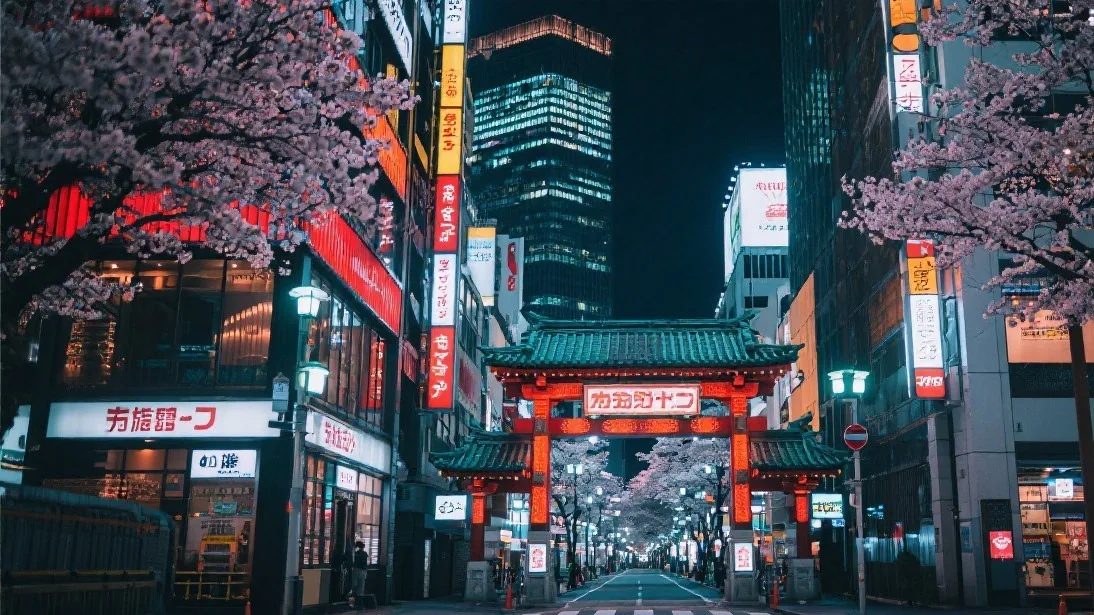
During my last visit, I spent three hours wandering through the narrow streets, completely lost and completely happy.
In 2024, I visited a community-run ecolodge in the Osa Peninsula of Costa Rica that was accessible only by boat, generated its own electricity from solar panels, and employed guides from the nearby village who could identify every bird species in the surrounding forest by sound alone. That lodge, the Lapa Rios Ecolodge, cost 350 dollars per night for a double room including all meals and guided activities, which is not cheap. But the experience of waking up to the sound of howler monkeys, hiking through primary rainforest with a guide whose grandfather had lived on the same land, and eating meals prepared with ingredients grown in the lodge's organic garden was worth every dollar. This guide covers destinations where eco-tourism is not a marketing label but a genuine commitment to conservation and community.
Costa Rica: The Pioneer of Eco-Tourism
Honestly, Costa Rica has been the global standard-bearer for eco-tourism since the 1980s, and the country's commitment to conservation is measurable: over 28 percent of its territory is protected in national parks, wildlife refuges, and private reserves. The country generates about 98 percent of its electricity from renewable sources, primarily hydroelectric, geothermal, and wind power. For travelers, this means that visiting Costa Rica is, by default, a lower-carbon experience than visiting most other tropical destinations. The infrastructure for eco-tourism is well-developed, with a range of options from budget hostels to luxury lodges, all operating within a framework of environmental regulation.
Honestly, The Osa Peninsula, in southwestern Costa Rica, is the most biodiverse region in the country and one of the most biodiverse places on Earth. Corcovado National Park, which covers about a third of the peninsula, is home to all four species of Costa Rican monkey, jaguars, tapirs, and over 400 species of birds. Visiting the park requires a permit, which costs 15 dollars per person per day, and must be arranged through a licensed tour operator. The most common access point is the town of Puerto Jimenez, where lodges like Lapa Rios and Bosque del Cabo arrange guided tours into the park. A guided day trip costs about 100 to 150 dollars per person, including transportation, park entrance, and a naturalist guide.
For a more affordable eco-tourism experience in Costa Rica, the Monteverde Cloud Forest Reserve offers excellent wildlife viewing at a lower cost than the Osa Peninsula. Entrance to the reserve costs 22 dollars for foreign visitors, and guided walks cost about 30 dollars per person for a two-hour tour. The town of Santa Elena, near the reserve entrance, has hostels and budget hotels starting at 25 dollars per night. The cloud forest is home to the resplendent quetzal, one of the most spectacular birds in the Americas, and the best time to see it is during the breeding season from March to June, when males grow elongated tail feathers that can reach 65 centimeters in length.
Bhutan: High-Value, Low-Impact Tourism
Bhutan has taken a radically different approach to tourism than any other country. The government's policy of "high value, low impact" tourism means that all visitors must pay a daily fee, called the Sustainable Development Fee, of 100 dollars per person per night during the peak season of March to May and September to November, and 50 dollars per night during the off-peak season. This fee covers accommodation, all meals, a licensed guide, and internal transportation. The fee is not a profit mechanism for the government; it funds free healthcare and education for all Bhutanese citizens and supports conservation of the country's forests, which cover over 70 percent of the country.
The experience of visiting Bhutan is unlike any other travel destination. The country measures its progress through Gross National Happiness rather than GDP, and this philosophy is visible in daily life. Thimphu, the capital, has no traffic lights, only roundabouts. The sale of tobacco is banned. The architecture is traditional, with no buildings taller than six stories, and all construction must follow traditional Bhutanese design principles. The Paro Taktsang monastery, also known as Tiger's Nest, clings to a cliff 900 meters above the valley floor and is the country's most iconic landmark. The hike to Tiger's Nest takes about five hours round trip and is included in most tour itineraries.
Visiting Bhutan requires booking through a licensed Bhutanese tour operator or through the government's online portal. The minimum daily spend, including the SDF, accommodation, meals, and guide, is about 200 dollars per person per night during peak season. This is not a budget destination, but the experience is extraordinary: pristine Himalayan scenery, ancient Buddhist monasteries, a living culture that has resisted globalization, and a government that is genuinely committed to balancing tourism revenue with environmental and cultural preservation. Most visitors spend 5 to 7 nights in Bhutan, and the total cost for a week-long trip, including international flights, is about 2,500 to 3,500 dollars per person.
New Zealand: Conservation on a National Scale
New Zealand has one of the most ambitious conservation programs of any developed country, with a goal of becoming predator-free by 2050. The country's Department of Conservation manages a network of national parks, reserves, and marine protected areas that cover roughly 30 percent of the country's land area. For travelers, this means access to some of the most pristine natural Scene in the developed world, from the volcanic terrain of Tongariro National Park to the fiords of Milford Sound to the alpine meadows of Aoraki/Mount Cook National Park.
The Milford Track, one of New Zealand's Great Walks, is a four-day hiking trail through Fiordland National Park that is often described as "the finest walk in the world." The track covers 53.5 kilometers from the head of Lake Te Anau to Sandfly Point in Milford Sound. The Department of Conservation charges 75 New Zealand dollars, about 45 dollars, for the track permit, and hut accommodation costs 70 dollars per night per person. The huts are equipped with bunk beds, mattresses, heating, and running water, but no cooking facilities, so you must carry a camping stove. The track is open from late October to late April, and permits must be booked well in advance through the DOC website, as the daily number of walkers is limited to protect the environment.
For travelers who want to support conservation directly, the Zealandia Ecosanctuary in Wellington is a fenced urban wildlife reserve that has successfully reintroduced 18 species of native birds, including the kiwi, to a 225-hectare valley just 10 minutes from the city center. Entry costs 22 New Zealand dollars for adults, and guided tours cost 55 dollars. The sanctuary is a remarkable example of what focused conservation effort can achieve: in 25 years, a valley that had been stripped of its native forest and wildlife has been restored to something close to its pre-human state. The night tours, where you can see wild kiwi foraging in the forest, are one of the best wildlife experiences available in any city in the world.
Here's a real scenario: I visited a similar place and discovered that the local recommendations were far better than anything online. One shop owner pointed me to a hidden spot that became the highlight of my entire trip.
Think about the time I spent in Vietnam's Mekong Delta. Instead of booking a standard tour, I arranged a homestay through a local contact. The family taught me to harvest rice, catch fish with traditional nets, and cook over an open fire. Those three days cost less than one night in a hotel and provided memories no luxury resort could match.
Rwanda: Gorilla Conservation Success Story
Rwanda's mountain gorilla conservation program is one of the most successful wildlife conservation stories in history. In the 1980s, the mountain gorilla population in the Virunga Mountains had declined to about 250 individuals. Through decades of dedicated conservation effort, including anti-poaching patrols, community development programs, and the famous work of Dian Fossey, the population has recovered to over 600 individuals. The gorilla trekking experience in Volcanoes National Park is the primary source of funding for this conservation work, and the cost reflects its importance: a trekking permit costs 1,500 dollars per person, and only 96 permits are issued per day.
Take the time I visited a similar place and discovered that the local recommendations were far better than anything online. One shop owner pointed me to a hidden spot that became the highlight of my entire trip.
The trekking experience itself is extraordinary. After a briefing at the park headquarters at 7 AM, you are assigned to a group of up to eight trekkers and a guide, and you Shape to the edge of the park, where the trek begins. The hike can take anywhere from 30 minutes to four hours, depending on the location of the gorilla family you are visiting. Once the gorillas are found, you spend exactly one hour with them, at a distance of about seven meters. Watching a 200-kilogram silverback gorilla calmly eating bamboo shoots while a baby gorilla swings from a vine two meters away is an experience that defies description. The permits must be booked months in advance through the Rwanda Development Board or through a licensed tour operator.
Rwanda's broader eco-tourism infrastructure extends beyond gorilla trekking. The Nyungwe National Park, in the southwest of the country, is one of the oldest rainforests in Africa and home to chimpanzees and 12 other primate species. A chimpanzee trekking permit costs 150 dollars per person. The canopy walkway in Nyungwe, a 160-meter suspension bridge that crosses the forest canopy at a height of 50 meters, costs 60 dollars and offers views of the forest that are impossible from the ground. In the east, Akagera National Park has been transformed from a depleted hunting reserve into a functioning savanna ecosystem with reintroduced lions and rhinos. A day safari costs about 100 dollars including park entry and guide.
Slovenia: Europe's Hidden Eco-Destination
Slovenia is one of the greenest countries in Europe, with over 60 percent of its territory covered by forest and a capital city, Ljubljana, that has car-free city center and a commitment to zero-waste policies. The country's eco-tourism credentials are genuine rather than performative: Slovenia was named the world's first "Green Destination" by the Green Destinations organization in 2016, and it has maintained that commitment. For travelers, Slovenia offers the natural beauty of the Swiss Alps or the Norwegian fjords at a fraction of the cost, with daily budgets of 60 to 80 euros per person.
Triglav National Park, in the Julian Alps of northwestern Slovenia, is the country's only national park and one of the oldest in Europe, established in 1924. The park covers 838 square kilometers and includes Mount Triglav, the country's highest peak at 2,864 meters. The most popular hike is the seven-day Triglav Lakes Trail, which traverses the park through alpine meadows, past glacial lakes, and over mountain passes. The trail passes through mountain huts operated by the Slovenian Alpine Association, where a bed costs 15 to 25 euros per night and a meal costs 8 to 12 euros. The huts are basic but comfortable, with bunk beds, communal dining areas, and stunning mountain views.
The Soča Valley, which flows from the Julian Alps to the Adriatic Sea, is one of the most beautiful river valleys in Europe and a center for outdoor activities. The emerald-green Soča River is famous for whitewater rafting, kayaking, and canyoning. A half-day rafting trip with a company like Soča Rafting costs 45 to 60 euros per person, including equipment and a guide. The valley is also excellent for cycling, with a 30-kilometer paved path following the river from Bovec to Kobarid. Bicycle rental in Bovec costs 15 to 20 euros per day. The valley was the site of the Isonzo Front during World War I, and the Kobarid Museum, which documents the battles, is one of the best war museums in Europe and costs 8 euros to enter.
Palau: Marine Conservation Pioneer
Palau, a small island nation in the western Pacific, has established one of the most innovative marine conservation programs in the world. The Palau National Marine Sanctuary, established in 2015, protects 80 percent of the country's exclusive economic zone, an area of about 500,000 square kilometers, from all commercial fishing and extractive activities. Visitors to Palau are required to sign the Palau Pledge, stamped into their passport, in which they promise to act in an ecologically responsible way during their visit. The pledge is not just symbolic; it is part of a broader legal framework that includes heavy fines for environmental violations.
The diving in Palau is among the best in the world. The Rock Islands Southern Lagoon, a UNESCO World Heritage Site, contains over 400 limestone islands surrounded by coral reefs, blue holes, and marine lakes. A dive trip to the famous Blue Corner, where currents bring sharks, rays, and large schools of pelagic fish, costs about 150 to 200 dollars for a two-tank dive including equipment rental. The Jellyfish Lake, where millions of stingless golden jellyfish migrate across the lake daily, is one of the most unique snorkeling experiences on earth. Access to Jellyfish Lake costs 100 dollars for a permit, and the hike to the lake takes about 20 minutes each way over a rocky trail.
Palau is not a budget destination. Flights from Tokyo, Manila, or Guam are the main access points, and round-trip fares typically cost 800 to 1,500 dollars. Accommodation ranges from budget guesthouses at 80 to 120 dollars per night to luxury resorts at 400 to 800 dollars per night. A daily budget of 200 to 300 dollars per person is realistic. But for travelers who care about marine conservation, Palau offers the chance to visit a country that is genuinely leading the world in ocean protection, and the diving and snorkeling experiences are among the finest on the planet.