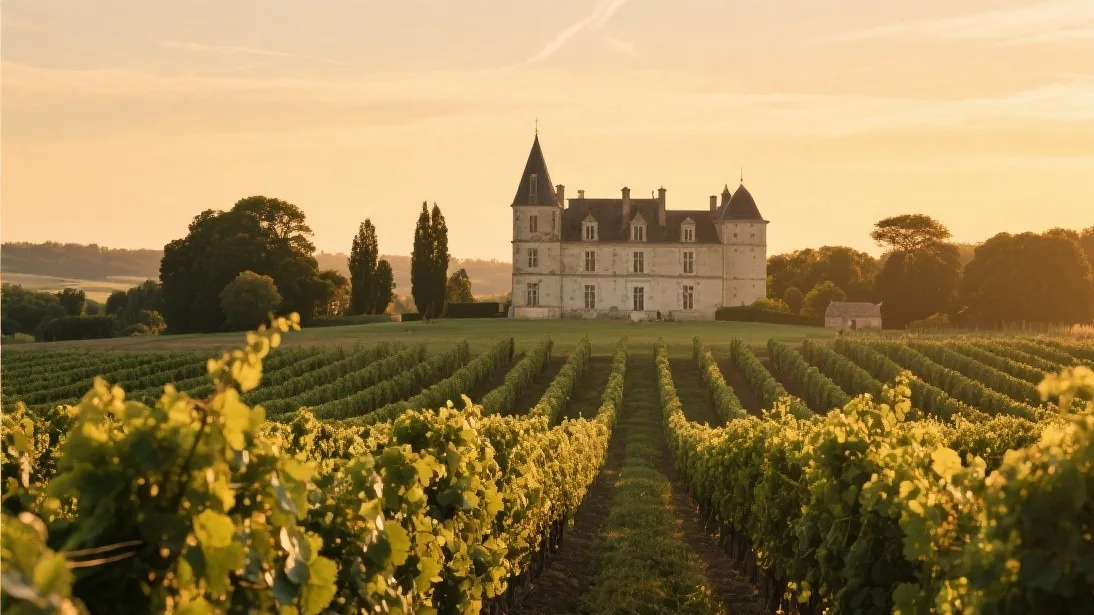
The driveway was a mile of cypress trees that ended at a stone farmhouse with a view of vineyards rolling to the horizon. I had arrived at an agriturismo in the Val d'Orcia, a UNESCO-protected valley in southern Tuscany, where I would spend five days helping with the olive harvest, eating meals cooked by the owner's wife, and drinking wine made from grapes grown on the property. The term agriturismo literally means 'agricultural tourism,' and in Italy it refers to working farms that offer accommodation. Some are rustic. This one was not. The rooms had antique furniture, Frette linens, and bathrooms with rainfall showers. The price was three hundred euros per night, and it included breakfast, dinner, and unlimited wine.
The Farm and the Work
The agriturismo was a working estate of two hundred hectares, producing wine, olive oil, and wheat. The owner, a man named Francesco whose family had farmed this land for four generations, invited me to join the olive harvest on my second day. We rose at dawn, ate bread and coffee, and walked into the olive groves with long rakes and nets. The olives were hand-picked, dropped onto the nets, and collected in crates. Francesco explained that mechanical harvesting damages the fruit and reduces the quality of the oil. By noon, my back ached and my hands were stained black with olive juice. But the oil we pressed that afternoon, unfiltered and golden-green, was the best I have ever tasted. I understood why he did it by hand.
The Meals
Dinner at the agriturismo was a four-course meal served at a long wooden table in a room with a fireplace. The other guests were a Dutch couple, an American family, and two German women who had been coming to this farm for ten years. The food was Tuscan: ribollita, a bread and vegetable soup; pici, thick hand-rolled pasta with wild boar ragù; bistecca alla fiorentina, a T-bone steak grilled over charcoal and served rare; and cantucci with vin santo for dessert. The wine was the estate's own Brunello di Montalcino, a sangiovese that had aged in oak barrels for five years. Francesco opened a bottle from 2015 and told me that this was the year his daughter was born. 'I will drink the last bottle at her wedding,' he said. 'If she lets me.'
The Landscape and the Light
The Val d'Orcia is one of the most photographed landscapes in Italy, and for good reason. The hills are smooth and rolling, covered in wheat, sunflowers, or bare earth depending on the season. The cypress trees stand in lines and clusters, dark green against the gold. The farmhouses are stone, with terracotta roofs and shuttered windows. The light in the late afternoon is warm and horizontal, casting long shadows and turning the hillsides amber. I spent one afternoon driving the strade bianche, the white gravel roads that connect the villages, stopping to photograph the landscapes that I had seen on postcards my entire life. They looked better in person. The air smelled of rosemary and warm earth.
Practicalities and Costs
The Val d'Orcia is accessible by car from Florence, two hours north, or from Rome, two and a half hours south. A rental car is essential. I paid sixty euros per day for a compact car. The agriturismo cost three hundred euros per night, including breakfast and dinner. Lunch was not included, but the estate provided bread, cheese, and salami for picnics. The total cost for five days, including accommodation, car rental, and a day trip to Montalcino and Pienza, was two thousand one hundred euros. It is not budget travel. But for the combination of natural beauty, exceptional food, and genuine connection to the land and the people who farm it, Tuscany's agriturismos are among the best value luxury experiences in Europe.