The helicopter from Torshavn to Mykines carried six passengers, three of whom were sheep farmers heading home for the weekend. That is the Faroe Islands in miniature: a self-governing archipelago of eighteen volcanic islands, population fifty-four thousand, sheep population eighty thousand. I had come to hike the cliffs, photograph the puffins, and understand what life looks like when the nearest neighbor is a mountain and the nearest city is a three-hour ferry ride across the North Atlantic.
What the Faroes Actually Are
The Faroe Islands sit between Iceland and Norway, politically part of the Kingdom of Denmark but culturally distinct. The language is Faroese, a North Germanic tongue that sounds like Icelandic spoken underwater. The landscape is treeless, green, and vertical. Cliffs rise six hundred meters straight from the ocean. Waterfalls fall into the sea. Villages cling to the few flat patches of land like barnacles. The weather changes every fifteen minutes. I experienced sunshine, hail, and a rainbow simultaneously on my second day.
Hiking Without Crowds
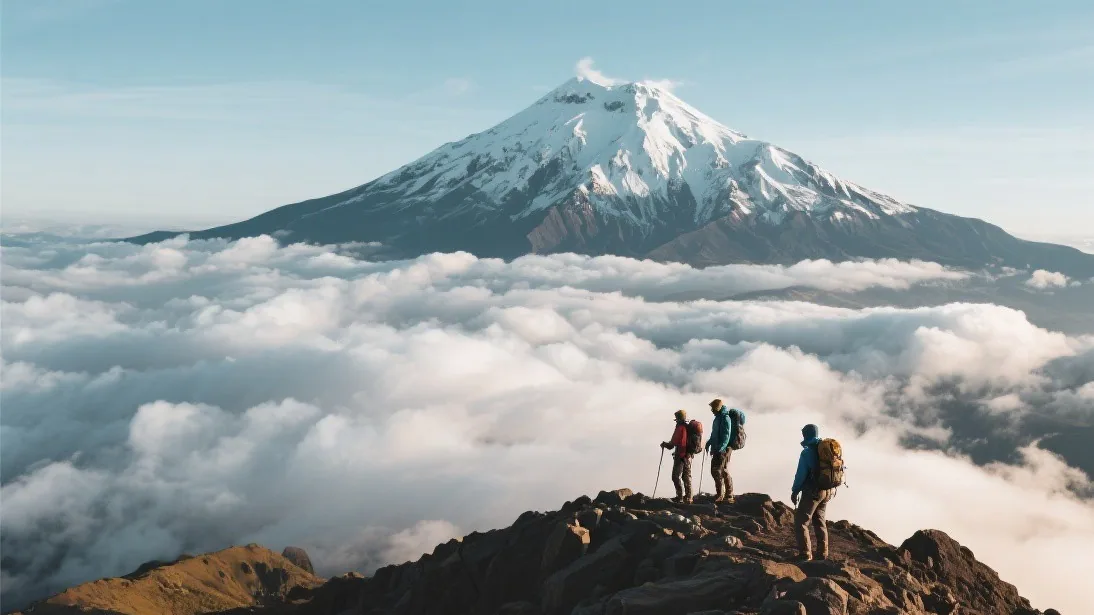
The hiking trails in the Faroes are world-class and almost empty. The most famous is the trail to Lake Sørvágsvatn, a freshwater lake that appears to float above the ocean due to an optical illusion. I hiked it at dawn and shared the viewpoint with one other person. The trail to Kalsoy, an island accessible by a narrow mountain road, leads to the Kallur Lighthouse, perched on a ridge with views of four islands. The trail is steep, muddy, and unmarked in places. I slipped twice and arrived at the lighthouse with boots full of peat. The view made the falls worth it.
The Food: Fermented and Fresh
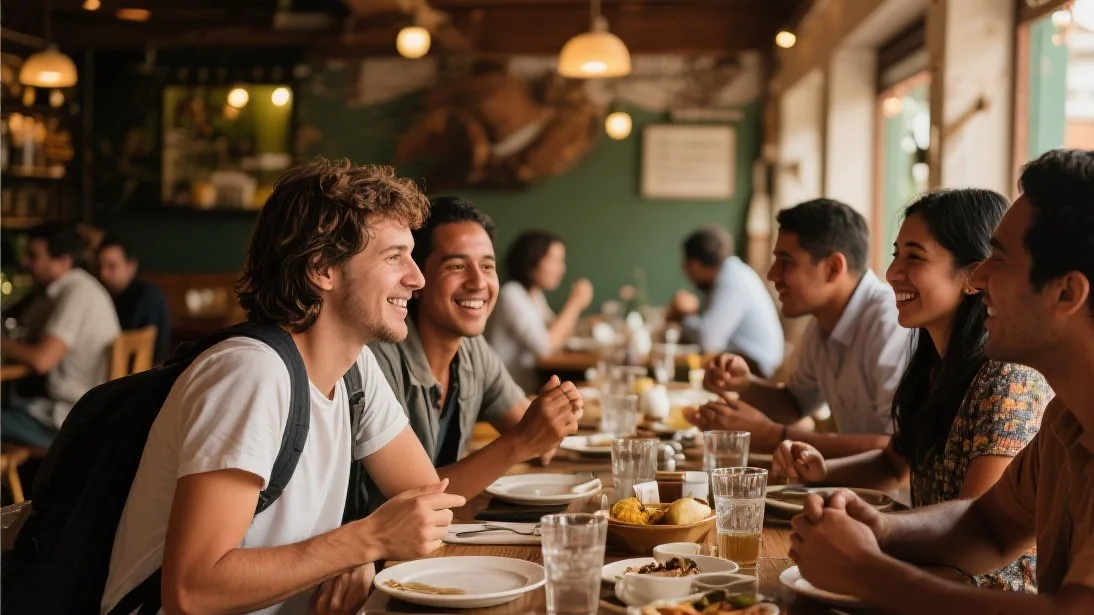
Faroese cuisine is shaped by isolation. Traditional dishes include skerpikjøt, fermented mutton hung in sheds for months until it develops a moldy rind, and ræst kjøt, semi-dried meat with a powerful ammonia flavor. I tried both at a dinner in Kirkjubøur, a village that has been inhabited since the Viking Age. The host, a farmer named Jógvan, explained that fermentation was the only preservation method before refrigeration. The modern Faroese diet is more Danish than Viking, but the traditional foods persist as cultural markers. Fresh fish, however, is universally available and excellent. I ate cod that had been caught that morning, simply pan-fried with butter and herbs.
Getting There and Getting Around
Atlantic Airways flies direct to Vágar Airport from Copenhagen, Edinburgh, and Reykjavik. I flew from Copenhagen for a round-trip fare of four hundred twenty dollars. The islands are connected by a network of subsea tunnels, ferries, and one helicopter route that serves remote villages. A rental car is essential. I paid eighty dollars per day for a compact car, which was adequate for the paved roads but struggled on the gravel tracks to remote trailheads. Accommodation is limited and expensive. I stayed in guesthouses averaging one hundred twenty dollars per night and cooked my own breakfast. The total cost for eight days was two thousand one hundred dollars.