My friend laughed when I told her my plan. Turns out, she was wrong about everything.
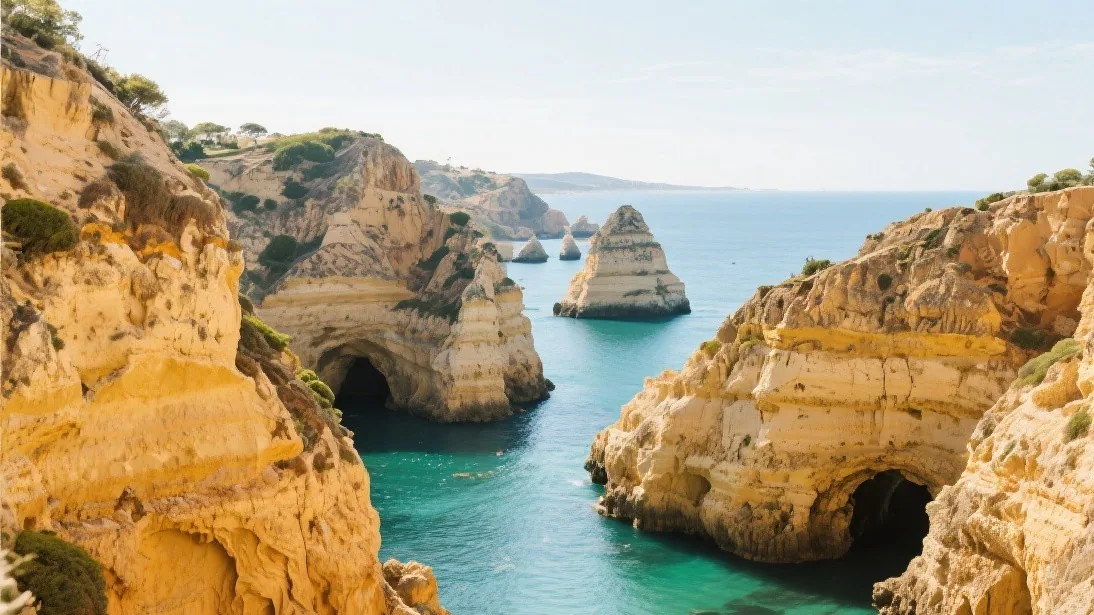
I arrived in Dubrovnik in late September, when the cruise ship crowds had thinned and the limestone streets of the old town were bathed in warm afternoon light. Over the next two weeks, I worked my way north along the Dalmatian Coast, through the islands of Hvar and Brac, the mainland city of Split, and the national parks of Krka and Plitvice, before ending in Zagreb. The Dalmatian Coast is one of the most visually stunning coastlines in Europe, with crystal-clear Adriatic water, ancient walled towns, and a cuisine that deserves far more international attention than it receives. This guide covers the route I took, with specific restaurants, hotels, and activities, and the practical details you need to plan your own trip.
Dubrovnik: Beyond the City Walls
From what I've seen, Dubrovnik's old town is a UNESCO World Heritage Site, encircled by massive stone walls that are walkable in about two hours. The walls were built between the 13th and 17th centuries and are among the best-preserved medieval fortifications in Europe. A ticket to walk the walls costs 35 euros and can be purchased at the entrance near the Pile Gate. The best time to walk the walls is early morning, when the light is soft and the cruise ship passengers have not yet arrived. The walk takes about 90 minutes and offers views of the terracotta rooftops, the harbor, and the island of Lokrum across the water.
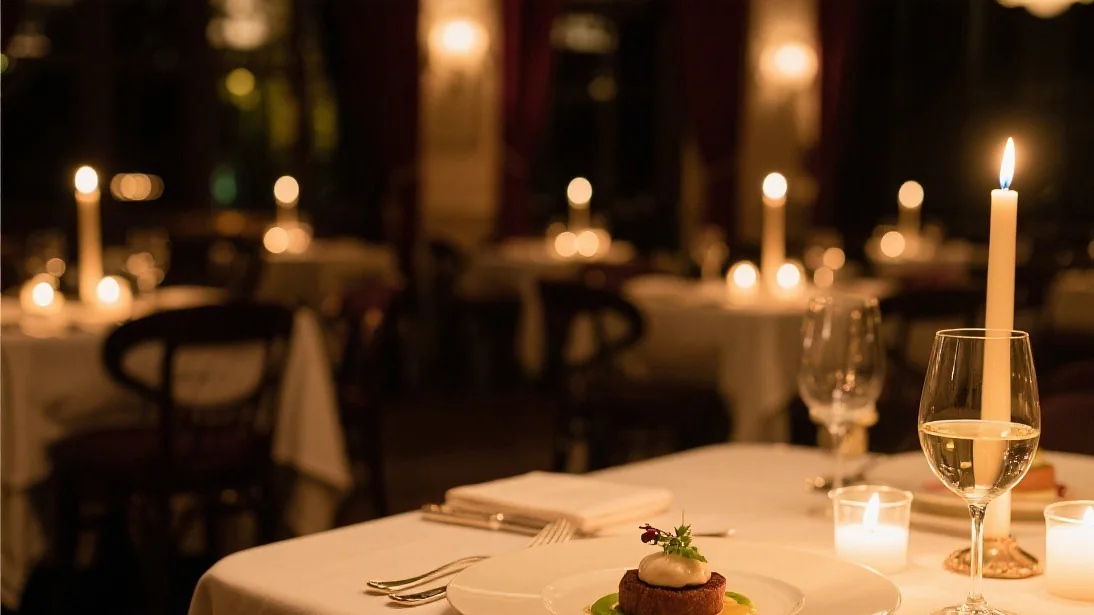
Honestly, Beyond the walls, Dubrovnik has several neighborhoods worth exploring. The Lapad peninsula, a 15-minute bus ride from the old town, has a waterfront promenade, beaches, and restaurants that are significantly cheaper than those inside the walls. At the restaurant Nautika, on the waterfront near the Pile Gate, a seafood risotto costs 28 euros and comes with a view of the city walls at sunset. For a more affordable meal, the bar and restaurant Azur in the Lapad neighborhood serves grilled fish plates for 15 to 20 euros. Accommodation in Dubrovnik is expensive during peak season, but in September and October, private rooms in apartments outside the old town cost 40 to 60 euros per night through Booking.com.
The cable car to Mount Srd offers the best overview of Dubrovnik. A round-trip ticket costs 30 euros, and the ride takes about three minutes each way. At the top, a panoramic terrace provides a view of the entire old town, the island of Lokrum, and the Adriatic coastline stretching south toward Montenegro. The best time to go is just before sunset, when the light turns golden and the city walls glow. The restaurant at the top of the cable car, Panorama, serves drinks and snacks at premium prices, but the view makes the cost feel reasonable. For a more active approach, the trail from the old town to the summit of Mount Srd takes about 90 minutes and is a pleasant, if steep, hike through pine forest.
The Islands: Hvar, Brac, and Vis
The Jadrolinija ferry connects Dubrovnik to the islands of Hvar, Brac, and Split, and the ferry rides themselves are a highlight of the trip. A one-way ticket from Dubrovnik to Hvar costs 170 to 250 kuna, about 23 to 34 dollars, depending on the season and the type of ferry. The fast catamaran takes about two hours, while the slower car ferry takes about four hours. The catamaran is more expensive but saves half a day, which is worth the extra cost for travelers on a tight schedule. Book tickets in advance through the Jadrolinija website, especially during July and August, when the ferries are often full.
Hvar Town, on the island of Hvar, is known for its Venetian architecture, its lavender fields, and its nightlife. The town's main square, the St. Stephen's Square, is surrounded by Gothic palaces and a 16th-century cathedral. The Spanjola fortress, on a hill above the town, offers panoramic views and costs 50 kuna, about seven dollars, to enter. For accommodation, the Hvar Youth Hostel offers dorm beds for 200 to 300 kuna per night, while private apartments in the town center cost 60 to 100 euros per night. The restaurant Gariful, on the waterfront, serves fresh seafood at prices that are high for Croatia but reasonable by Western European standards, with a grilled sea bass costing about 35 euros.
The island of Brac is less touristy than Hvar and offers a more relaxed experience. The town of Bol, on the southern coast, is home to Zlatni Rat, the Golden Horn, one of the most famous beaches in the Adriatic. The beach is a pebble spit that extends into the turquoise water, and it is a beautiful spot for swimming and sunbathing. Accommodation in Bol ranges from private rooms for 30 to 50 euros per night to small hotels for 70 to 120 euros. The restaurant Bol 1, near the beach, serves grilled fish and local wine at reasonable prices, with a half-liter of local white wine costing about 25 kuna, roughly three and a half dollars.
Split: Roman Ruins and Modern Energy
Split is the second-largest city in Croatia and the gateway to the Dalmatian islands. The city's main attraction is Diocletian's Palace, a Roman palace built in the 4th century AD for the emperor Diocletian. The palace is not a museum but a living structure: people live and work within its walls, shops and restaurants occupy its ground-floor halls, and its cellars house a farmers' market. Entry to the palace basement, the substructure where Diocletian stored wine and food, costs 50 kuna. The cathedral, which was originally Diocletian's mausoleum, is free to enter. The Peristyle, the grand central court, is one of the most impressive Roman spaces still standing anywhere in the world.
Split's food scene is excellent and affordable. At the Varos neighborhood, the restaurant Dvor offers a daily special of fresh fish grilled with olive oil and garlic for 100 to 150 kuna, about 13 to 20 euros. At the Green Market, just outside the palace walls, you can buy fresh fruit, vegetables, cheese, and olive oil for a fraction of restaurant prices. A bunch of grapes costs 10 kuna, a block of local cheese costs 30 kuna, and a bottle of olive oil costs 40 kuna. For a sit-down meal, the restaurant Konoba Marjan, in the Marjan neighborhood overlooking the sea, serves a three-course meal of Dalmatian prosciutto, grilled fish, and a dessert for about 150 kuna per person.
Accommodation in Split is more affordable than in Dubrovnik or Hvar. Private rooms in apartments near the old town cost 30 to 50 euros per night, and hostels like the Tchaikovsky Hostel offer dorm beds for 150 to 200 kuna. The city is well-connected by bus and ferry to the rest of the Dalmatian Coast, making it an ideal base for day trips. The Marjan peninsula, a 15-minute walk from the old town, offers hiking trails, beaches, and viewpoints with panoramic views of the city and the islands.
Take the time I visited a similar place and discovered that the local recommendations were far better than anything online. One shop owner pointed me to a hidden spot that became the highlight of my entire trip.
Consider the night market in Chiang Mai. While most tourists flock to the Sunday Walking Street, I discovered the Saturday market is where locals actually shop. A textile vendor named Somchai showed me how to distinguish handmade silk from machine-made. His family has been weaving for 200 years.
Krka and Plitvice National Parks
Krka National Park, about an hour by bus from Split, is known for its series of seven travertine waterfalls along the Krka River. The most impressive waterfall, Skradinski Buk, drops 45 meters into a wide pool that you can swim in during the summer months. Entry to the park costs 40 euros in the peak season from June to September, and 25 euros from October to May. The park is accessible by public bus from Split and Sibenik, and the Trip takes about an hour. Plan to spend at least three hours in the park, walking the boardwalk trails that wind along the river and past the waterfalls.
Like when I visited a similar place and discovered that the local recommendations were far better than anything online. One shop owner pointed me to a hidden spot that became the highlight of my entire trip.
Plitvice Lakes National Park, about two hours by bus from Zadar, is Croatia's most famous natural attraction and a UNESCO World Heritage Site. The park consists of 16 terraced lakes connected by waterfalls, set in a dense forest of beech, spruce, and fir. The lower lakes are connected by a system of wooden boardwalks that take about three hours to walk, while the upper lakes are accessible by a panoramic train and hiking trails. Entry costs 40 euros in peak season and 25 euros in the off-season. The park is enormous, and a full day is needed to see both the upper and lower lakes.
Getting to Plitvice Lakes from Split requires some planning. The most direct route is by bus from Split to the park entrance, which takes about two hours and costs about 100 kuna. FlixBus operates the route, and tickets can be booked online. Alternatively, renting a car gives you the flexibility to visit both Krka and Plitvice on the same trip. A rental car from Split costs about 300 to 400 kuna per day, roughly 40 to 55 dollars, and the Shape to Plitvice takes about two hours on well-maintained highways. Parking at the park costs 10 euros per day.
Zagreb: The Capital and Final Stop
Zagreb, Croatia's capital, is often overlooked by travelers focused on the coast, but the city deserves at least two days of exploration. The Upper Town, or Gornji Grad, is the historic center, with the St. Mark's Church, the Croatian Parliament, and the Lotrscak Tower, which offers views over the city's red rooftops. The tower costs 20 kuna to climb. The Lower Town, or Donji Grad, is the commercial center, with the main square of Ban Jelacic, the Zagreb Cathedral, and a network of pedestrian streets lined with cafes, shops, and restaurants.
Zagreb's food scene is the most affordable of any major Croatian city. At the Dolac market, the city's main open-air market, vendors sell fresh produce, meat, cheese, and flowers. A kilogram of strawberries costs 25 kuna, a block of traditional cheese costs 40 kuna, and a loaf of bread costs 8 kuna. For a restaurant meal, the Vinodol restaurant on Tkalceviceva Street serves a traditional Croatian meal of roast lamb with potatoes for 80 to 100 kuna per person. The restaurant is in a 19th-century townhouse with a beautiful interior garden. For coffee, the cafe scene in Zagreb is excellent, with a cup of kava costing 12 to 18 kuna at most cafes in the Lower Town.
Accommodation in Zagreb is the cheapest of any city on the Dalmatian Coast route. Private rooms in apartments near the city center cost 25 to 40 euros per night, and hostels like the Main Square Hostel offer dorm beds for 100 to 150 kuna. The city is well-connected by bus to the coast, with services to Split taking about five hours and costing about 150 to 200 kuna. Zagreb's airport also offers budget flights to other European cities, making it a convenient starting or ending point for a Dalmatian Coast trip.
Practical Information for the Dalmatian Coast
The best time to visit the Dalmatian Coast is September and October, when the weather is still warm enough for swimming, the crowds have thinned, and accommodation prices drop by 30 to 50 percent compared to July and August. July and August are the peak months, with temperatures in the high 30s Celsius, full beaches, and the highest prices of the year. May and June offer pleasant weather and wildflowers but the sea may be too cold for comfortable swimming. The winter months from November to March are quiet and some facilities close, but the architecture and food are still rewarding for visitors who do not mind cooler weather.
A comfortable daily budget for the Dalmatian Coast is 60 to 100 euros per person, including accommodation, food, and local transportation. This covers a private room or apartment for 30 to 50 euros, three meals for 20 to 30 euros, and local buses, ferries, and entrance fees for 10 to 20 euros. Alcohol can significantly increase the budget: a glass of local wine costs 15 to 25 kuna at a restaurant, about two to three and a half euros, while a cocktail costs 50 to 80 kuna. Croatia uses the euro, and credit cards are widely accepted, but carry cash for small purchases at markets and from street vendors.
Transportation along the coast is primarily by ferry and bus. Jadrolinija and Krilo are the main ferry operators, connecting Dubrovnik, the islands, and Split. Bus services are operated by Arriva and FlixBus, with routes connecting all major coastal cities. For maximum flexibility, renting a car is the best option, but be aware that parking in old towns like Dubrovnik and Split is difficult and expensive. A rental car is most useful for visiting national parks and inland destinations that are not easily accessible by public transport. International driving permits are not required for EU license holders, but are recommended for Guide from other countries.