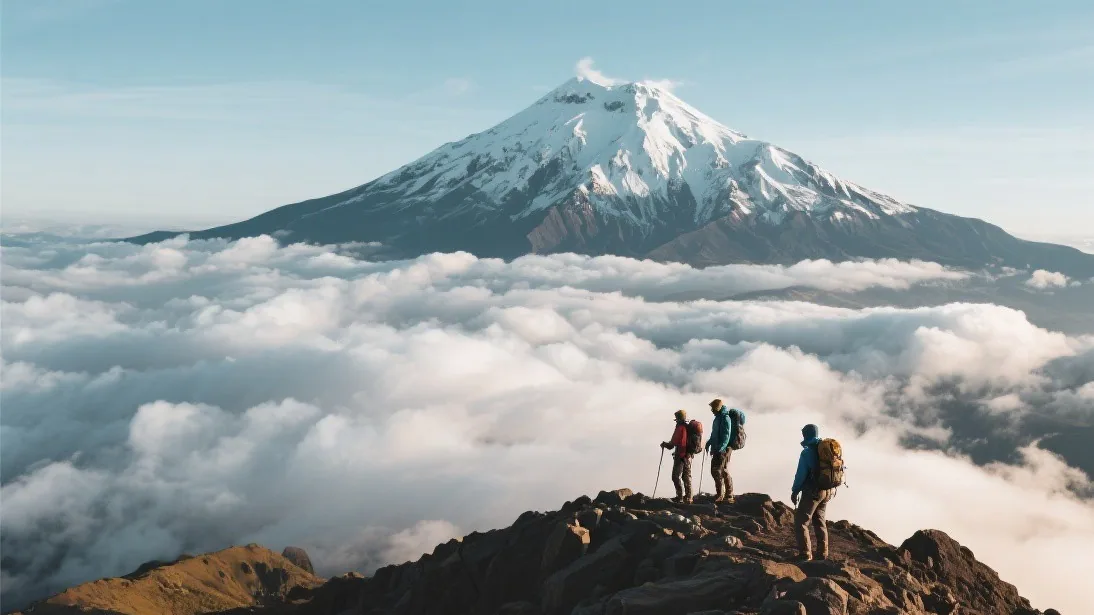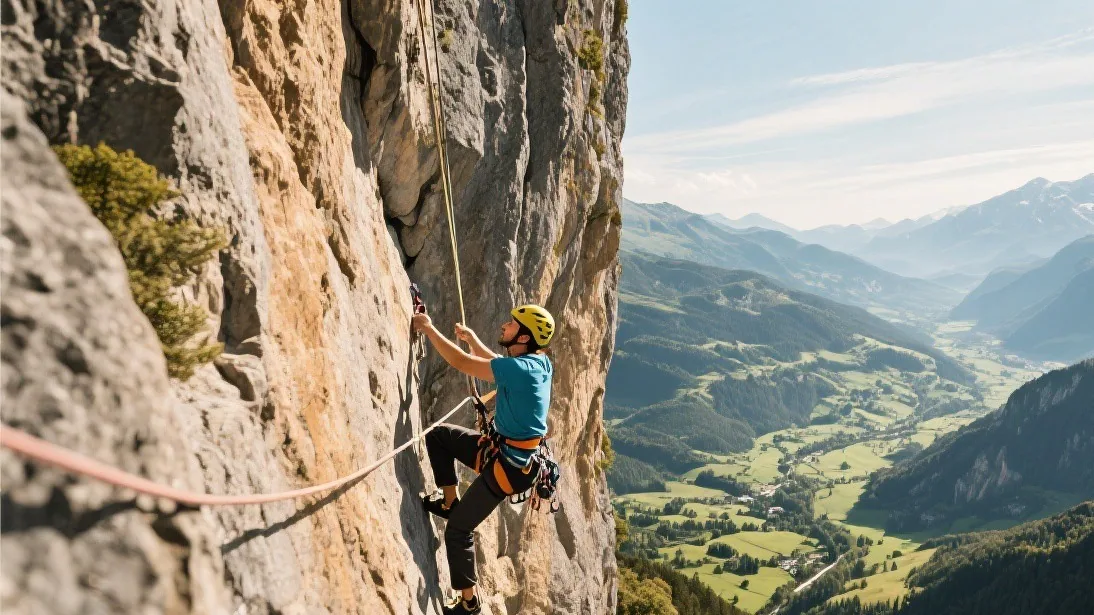
I was standing on the summit of Mangart, at 2,679 meters, looking down at a landscape that seemed too perfect to be real. Emerald lakes, limestone peaks, and meadows full of wildflowers stretched in every direction. And I was alone. In the Dolomites, a view like this would have required a thirty-minute wait for a photo. In the Julian Alps, it required nothing but the decision to come here. Slovenia has somehow remained overlooked by the mass tourism that has transformed the Alps further west. For hikers, this is a gift.
The Best Trails in the Julian Alps
The Triglav National Park is the centerpiece of Slovenian hiking. The park's namesake peak, Mount Triglav, is the country's highest point at 2,864 meters. The standard route takes two days and involves some exposed scrambling, but it is achievable for fit hikers with a guide. For a less technical option, the valley of the Seven Triglav Lakes offers a multi-day trek through alpine meadows and past glacial lakes, with mountain huts spaced perfectly for a three-day circuit. My favorite day hike is the route from Vrsic Pass to Slemenova Spica, a four-hour round trip with views of the Razor and Prisojnik peaks that rival anything in the Swiss Alps.
Mountain Huts and Logistics
Slovenia's mountain hut system, called 'Planinska koca,' is extensive and well-maintained. Huts range from basic shelters with dormitory beds to larger lodges with private rooms and full kitchens. Prices are reasonable: a dormitory bed costs twenty to twenty-five euros, and half-board costs forty to fifty euros. Reservations are essential in July and August, and many huts close from October to May. I book through the Planinska zveza Slovenije, the national alpine association, which operates an English-language booking website. The huts operate on a cash basis, and most do not accept cards. Carry euros in small denominations.
When to Go and What to Expect
The hiking season runs from late June to early October. July and August are warmest but also wettest; afternoon thunderstorms are common above the tree line. September is my preferred month, with stable weather, fewer crowds, and the start of autumn colors in the valleys. Temperatures at altitude drop quickly after sunset, even in summer. I carry a lightweight down jacket, a rain shell, and a warm hat on every hike. The Julian Alps are home to brown bears, wolves, and chamois. Encounters are rare, but making noise on forested trails is good practice.
Getting There and Around
Ljubljana Joze Pucnik Airport is the main gateway, with direct flights from most major European cities. From the airport, rental cars are the most practical option for reaching the trailheads. Public buses serve the main towns, but trailheads often require a taxi or hitchhike. I spent twelve days in the Julian Alps and spent a total of 890 euros, including car rental, accommodation, food, and a guided ascent of Triglav. For the quality of the experience, this is exceptional value. The Alps have a reputation for being expensive. Slovenia proves they do not have to be.