The gravel road appeared on my GPS as a thin red line that disappeared into white space. I was three hours south of Coyhaique, Chile, and the asphalt had ended fifty kilometers back. The Carretera Austral, also known as Route 7, is a 1,240-kilometer highway that cuts through the wildest part of Patagonia. Parts of it are paved now, but much remains gravel, mud, and dust. I had rented a Toyota Hilux in Puerto Montt, loaded it with two weeks of supplies, and pointed south with no fixed plan. The only certainty was that I would not encounter another traveler for hours at a stretch.
The Road and What It Demands
The Carretera Austral is not a road you drive casually. It crosses rivers without bridges, climbs mountain passes with no guardrails, and passes through temperate rainforest where fallen trees occasionally block the way. I carried two spare tires, a tow rope, a shovel, and a satellite phone. In four days, I used the shovel twice: once to clear a mudslide near Villa Cerro Castillo, and once to help a Chilean family dig their sedan out of a river crossing they had misjudged. A standard rental car will not survive this road. You need clearance, four-wheel drive, and patience.
The Landscapes Change by the Hour
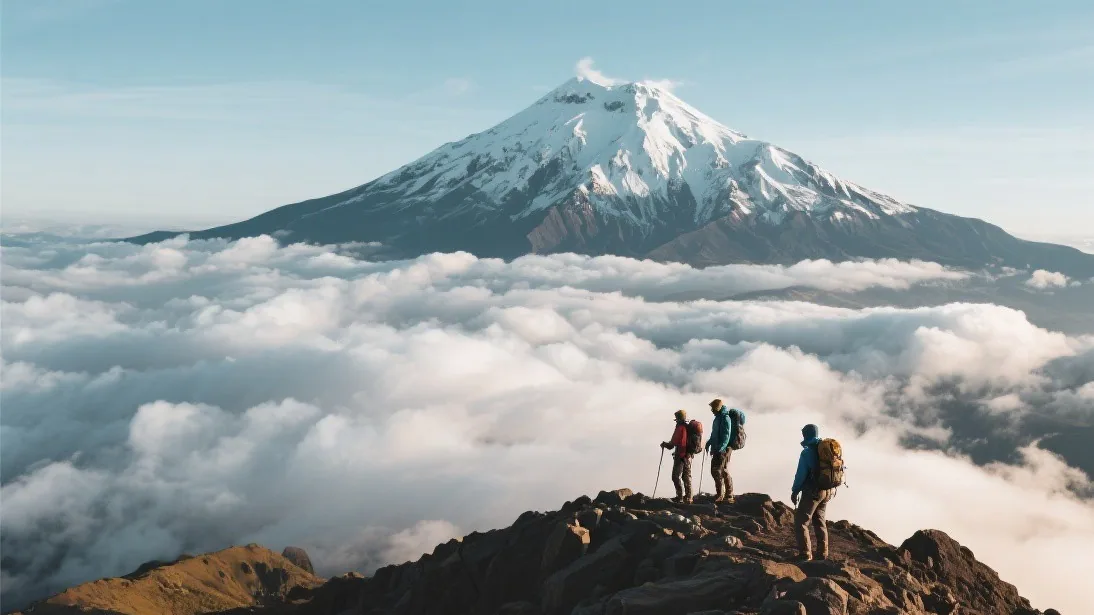
One morning I woke in a campground near the Rio Baker and drove through scenery that shifted from glacier-carved valleys to volcanic rock fields to fjords in the space of three hours. The Baker River itself is the color of milky turquoise, fed by glacial flour that stays suspended in the water. Near Puerto Rio Tranquilo, I took a boat to the Marble Caves, formations of calcium carbonate that have been worn by waves into swirling patterns of blue and white. Further south, near Caleta Tortel, the road ends and the village is built on stilts above the water, connected by wooden walkways instead of streets. There are no cars in Caleta Tortel. You arrive by boat and you walk.
Where to Stay and What It Costs
Accommodation along the Carretera Austral ranges from campgrounds at five dollars per night to lodges at one hundred fifty dollars. I mixed both, camping when the weather held and staying in cabanas when it rained. Food is limited. Small towns have basic shops with pasta, canned goods, and local meat. I carried a camp stove and cooked most of my own meals. Restaurant meals cost fifteen to twenty-five dollars and are simple: grilled lamb, mashed potatoes, and salad. The total cost for two weeks, including rental, fuel, food, and accommodation, was 1,780 dollars.
When to Go and How Long
The Carretera Austral is only fully passable from December to March, the Southern Hemisphere summer. Outside these months, snow closes the high passes and ferry schedules become unreliable. I drove for sixteen days and covered eight hundred kilometers. You could do it faster, but that misses the point. This road is not about efficiency. It is about accepting that you are in a place where nature still sets the schedule.