My rental car broke down on a mountain road. The mechanic who helped me ended up inviting me to dinner with his family.
I arrived in Venice on a freezing Tuesday in January, and the Piazza San Marco was so empty I could hear my own footsteps echoing off the basilica facade. A cafe on the corner had outdoor seating — empty, naturally — and the waiter offered me an espresso and a seat by the heater for 3 euros. The same cafe, on a Saturday in June, charges 8 euros for an espresso and you cannot get a seat at all. I spent four days in Venice in low season, paid roughly half what I would have paid in summer for hotels and food, and had the city's major attractions almost entirely to myself. Off-season travel is not for everyone — some destinations shut down partially or fully, and weather can be a genuine challenge — but the financial savings and the quality of the experience are hard to beat.
Europe in Winter: Savings That Add Up Fast
From what I've seen, Europe's peak tourist season runs from June through August, when the weather is warm, the days are long, and every major destination is packed. The off-season — roughly November through March, excluding Christmas and New Year — offers dramatically lower prices on flights, hotels, and attractions, often at 40 to 60 percent below peak rates. I have tracked prices for several European destinations over multiple years, and the savings are consistent. A four-star hotel in Rome that charges 250 euros per night in July drops to 100 to 130 euros per night in February. A round-trip flight from New York to Paris that costs $1,200 in June can be found for $450 to $600 in January. The Colosseum in Rome charges 16 euros for a standard ticket year-round, but in winter there is no queue — in summer, the wait can exceed two hours.
From what I've seen, Some European destinations are arguably better in winter than in summer. Prague in December, with its Christmas markets, mulled wine stalls, and snow-dusted spires, has a magical atmosphere that the crowded summer months cannot match. Hotel prices in Prague average 60 to 80 euros per night in December versus 120 to 180 euros in July. Edinburgh in winter offers the Hogmanay street party (December 31), one of the largest New Year celebrations in the world, along with shorter queues at Edinburgh Castle and the National Museum of Scotland. The Scottish Highlands in winter are moody and dramatic — fewer tourists, lower prices, and a raw beauty that the summer coach tours never capture.
The trade-off is weather and daylight. Southern Europe (Italy, Spain, Greece, Portugal) is mild in winter — daytime temperatures in Rome and Madrid average 10 to 15 degrees Celsius (50 to 59 Fahrenheit) — but northern Europe can be genuinely cold and dark. In Stockholm in January, the sun rises at 8:30 a.m. and sets at 3:00 p.m., and temperatures hover around -5 degrees Celsius (23 Fahrenheit). Pack accordingly: layers, a warm waterproof jacket, gloves, a hat, and waterproof boots. The shorter daylight hours mean you need to plan your sightseeing more efficiently, but the lower crowds mean you can see more in less time. I have found that a well-planned winter day in a European city is actually more productive than a summer day because you are not waiting in lines.
Southeast Asia in the Rainy Season: Half the Price, Double the Character
Southeast Asia's rainy season — roughly May to October, depending on the country — is the region's low season for tourism, and the savings are substantial. In Bali, a villa with a private pool that costs $300 per night in August drops to $100 to $150 per night in January (the rainy season in Bali runs from November to March, which is the opposite of mainland Southeast Asia). In Thailand, the rainy season from June to October brings afternoon thunderstorms but also lower hotel rates — a beachfront bungalow in Krabi that costs 4,000 baht ($115) per night in December drops to 1,500 to 2,000 baht ($43 to $57) per night in September.
The rain in Southeast Asia is not constant — it typically comes in intense afternoon or evening downpours that last one to three hours, with clear skies in the morning. This pattern means you can do most of your sightseeing or beach activities in the morning and early afternoon, then relax with a book or a massage during the afternoon rain. The rain also transforms the Scene — rice paddies turn vivid green, waterfalls swell to their most impressive flow, and the air is cleaner and cooler than in the dry season. In Chiang Mai, northern Thailand, the rainy season (June to October) is the "green season," and the surrounding mountains and rice paddies are lush and beautiful in a way they never are in the dry months.
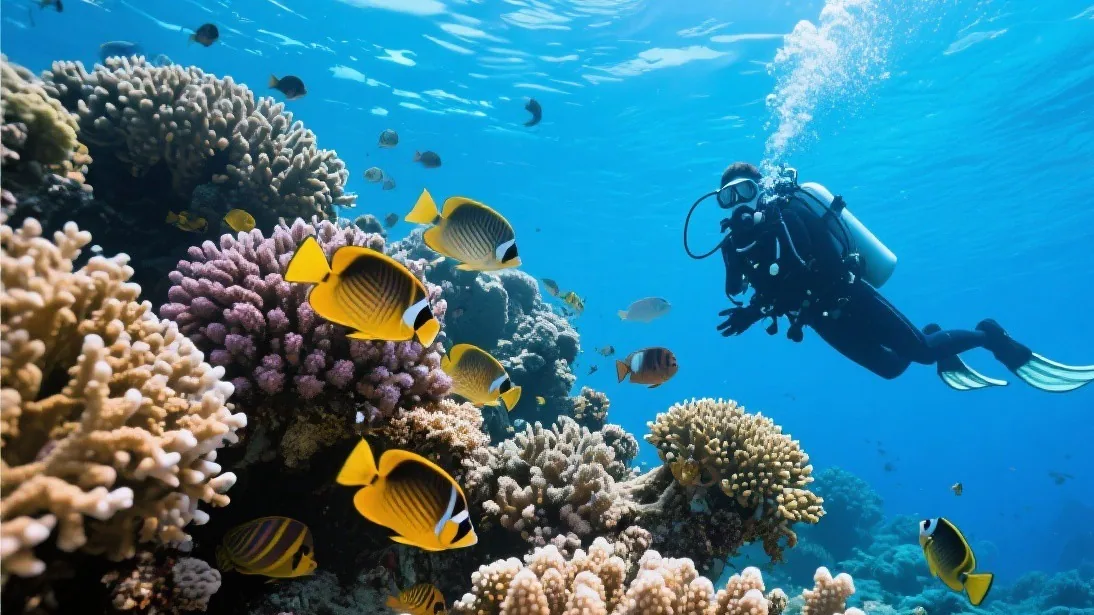
Some activities are actually better in the rainy season. Diving in the Similan Islands, Thailand, offers the best visibility from March to May (the end of the dry season), but the rainy season from June to September brings plankton blooms that attract whale sharks and manta rays. Surfing in Bali is best from April to October, when the wet season winds produce consistent waves on the west coast. Kayaking in Ha Long Bay, Vietnam, is possible year-round, but the misty, moody atmosphere of the rainy season creates a far more dramatic Scene than the clear, hazy days of the dry season. The key is to plan activities around the weather rather than fighting it — check forecasts daily, go early, and have indoor backup plans.
Caribbean Hurricanes: The Shoulder Season Sweet Spot
The Caribbean's official hurricane season runs from June to November, with the highest risk in August and September. This is also when hotel prices are lowest — a resort room in Barbados that costs $400 per night in February can drop to $150 to $200 per night in September. The trick is to visit during the shoulder months of late November to mid-December and late April to early June, when prices are lower than peak winter but the hurricane risk is minimal. Late November and early December offer warm weather, calm seas, and prices that are 20 to 30 percent below the Christmas-New Year peak. The water is still warm enough for swimming and snorkeling, and the beaches are uncrowded because most North American visitors have not yet arrived for the holidays.
If you do travel during hurricane season, buy travel insurance that covers trip cancellation and interruption due to weather. World Nomads and Safety Wing both offer policies that include hurricane coverage, and the cost is typically 5 to 10 percent of your trip cost. Choose destinations that are statistically less affected by hurricanes — the southern Caribbean islands of Aruba, Bonaire, and Curacao (often called the ABC islands) lie outside the main hurricane belt and have not been hit by a major hurricane in decades. Trinidad and Tobago, Grenada, and Barbados are also relatively low-risk. The higher-risk destinations — the Bahamas, Puerto Rico, the Virgin Islands, and the Yucatan Peninsula of Mexico — offer the biggest discounts but also the highest risk of disruption.
Even in the peak of hurricane season, most days in the Caribbean are sunny and pleasant — hurricanes are discrete events, not continuous conditions. A two-week trip to Barbados in September might encounter one or two days of rain and wind from a passing tropical storm, but the other 12 days are likely to be beautiful. The resorts and restaurants that remain open during hurricane season are often the ones with the most character and the best service — they survive the low season because they have loyal repeat customers who appreciate the quieter atmosphere and lower prices.
Like when I visited a similar place and discovered that the local recommendations were far better than anything online. One shop owner pointed me to a hidden spot that became the highlight of my entire trip.
Think about the time I spent in Vietnam's Mekong Delta. Instead of booking a standard tour, I arranged a homestay through a local contact. The family taught me to harvest rice, catch fish with traditional nets, and cook over an open fire. Those three days cost less than one night in a hotel and provided memories no luxury resort could match.
Africa's Green Season: Wildlife Without the Crowds
Africa's safari industry divides the year into three seasons: the dry season (June to October), the short rains (November to December), and the long rains (March to May). The dry season is peak safari season — animals congregate around shrinking water sources, vegetation is thin, and wildlife viewing is at its easiest. The green season (the rainy months) is the low season, and safari lodges discount their rates by 30 to 50 percent. But the green season has advantages that the dry season cannot match: the Scene is lush and green, baby animals are being born, migratory birds arrive in enormous numbers, and the crowds thin to almost nothing.
Here's a real scenario: I visited a similar place and discovered that the local recommendations were far better than anything online. One shop owner pointed me to a hidden spot that became the highlight of my entire trip.
In Tanzania's Serengeti, the green season (March to May) coincides with the calving season, when an estimated 500,000 wildebeest are born over a two-to-three-week period. The predator activity during this time is intense — lions, leopards, and hyenas take advantage of the abundance of vulnerable young animals. In Zambia's South Luangwa National Park, the green season brings dramatic thunderstorms and spectacular skies that make for extraordinary photography. The park's walking safaris, which are among the best in Africa, are particularly rewarding in the green season because the vegetation is thick and the sense of wilderness is total. Safari lodges like Robin Pope Safaris in Zambia and Nomad Tanzania offer green season packages at roughly 40 percent below their dry-season rates.
The challenges of green-season safari travel are real. Some roads become impassable, some lodges close entirely, and the thicker vegetation makes wildlife harder to spot. But the lodges that remain open often provide a more intimate experience — fewer vehicles at sightings, more personalized attention from guides, and a genuine sense of being in a wild, uncrowded place. The savings are significant: a three-night safari package in the Serengeti that costs $3,000 per person in August can be found for $1,500 to $1,800 per person in April. If you have always wanted to go on safari but been deterred by the cost, the green season is the answer.
Japan's Off-Peak Seasons: Cherry Blossoms and Autumn Colors
Japan has two peak tourist seasons: late March to mid-April (cherry blossom season) and late October to mid-November (autumn foliage season). During these periods, hotel prices in Tokyo, Kyoto, and other popular destinations double or triple, and domestic flights and Shinkansen seats sell out weeks in advance. The off-peak months of January to March and June to September offer dramatically lower prices and a more relaxed travel experience. A business hotel room in Tokyo that costs 15,000 yen ($100) per night during cherry blossom season drops to 6,000 to 8,000 yen ($40 to $55) per night in February.
Winter in Japan has its own attractions. Hokkaido in February offers some of the best powder skiing in the world (as covered in the winter getaways article), and the Sapporo Snow Festival draws two million visitors to see enormous ice sculptures. Kyoto in winter is cold but beautiful — the temples are nearly empty, and the occasional dusting of snow on the wooden structures creates scenes that look like woodblock prints. Onsen towns like Kusatsu and Hakone are at their best in winter, when the contrast between the steaming hot springs and the cold mountain air is most dramatic. A ryokan (traditional inn) with an onsen in Hakone costs about 15,000 to 25,000 yen per person per night including dinner and breakfast, and the experience of soaking in an outdoor hot spring while snow falls around you is one of Japan's great pleasures.
The rainy season (tsuyu) in Japan runs from early June to mid-July in most of the country, and it is the least popular time for tourism. Hotel prices drop, crowds disappear, and the hydrangea flowers that bloom during this period are spectacular. Many of Japan's most famous gardens — Meigetsu-in in Kyoto, Hakone Gora Park, and the Fuji Five Lakes area — are at their most beautiful during the rainy season. The rain is steady but not torrential, and an umbrella is all you need to keep exploring. If you are flexible with your travel dates and do not mind getting wet, Japan's rainy season offers the country's best value and some of its most photogenic scenery.
Ways to Find Off-Season Deals
The most reliable way to find off-season deals is to use Google Flights' date grid feature, which shows prices for every day of the month on a single screen. You can quickly identify the cheapest days to fly and spot patterns — Tuesday and Wednesday departures are consistently cheaper than Friday and Saturday, and shoulder months are cheaper than peak months. For hotels, Booking.com and Agoda both have filters for price range and allow you to compare rates across months. Set up price alerts on both platforms — they will email you when the price drops for a specific hotel or destination.
Package deals are often the best value in off-season. Tour operators and travel agencies bundle flights, hotels, and sometimes activities into packages that are cheaper than booking each component separately. TUI, Expedia, and G Adventures all offer off-season packages at significant discounts. In Europe, the British tour operator Jet2holidays offers city break packages to destinations like Rome, Barcelona, and Prague for 40 to 60 percent less in winter than in summer, including flights and hotels. In Asia, companies like G Adventures and Intrepid Travel run small-group tours during the rainy season at reduced prices.
Be flexible with your destination as well as your dates. If you want a beach vacation in January, compare prices across the Caribbean, Southeast Asia, the Canary Islands, and the Maldives — the cheapest option might surprise you. If you want a city break, compare prices across multiple European cities rather than fixating on one. Sometimes the best deal is not a cheaper version of the destination you had in mind but an equally appealing destination that happens to be in its low season. The key is to let the deals guide your planning rather than choosing a destination first and then looking for deals.