The photograph that defined my month in Mexico City was not planned. I was walking through La Merced market at eight in the morning, camera around my neck, when a vendor arranging marigolds looked up and caught my eye. I raised the camera without thinking. She did not smile or pose. She simply held my gaze for half a second, then returned to her flowers. The resulting image is not technically perfect. The light is harsh, the background is cluttered, and her expression is unreadable. But it contains something I have spent years trying to capture: the moment when a stranger allows you to see them.
Why Mexico City Is Ideal for Street Photography
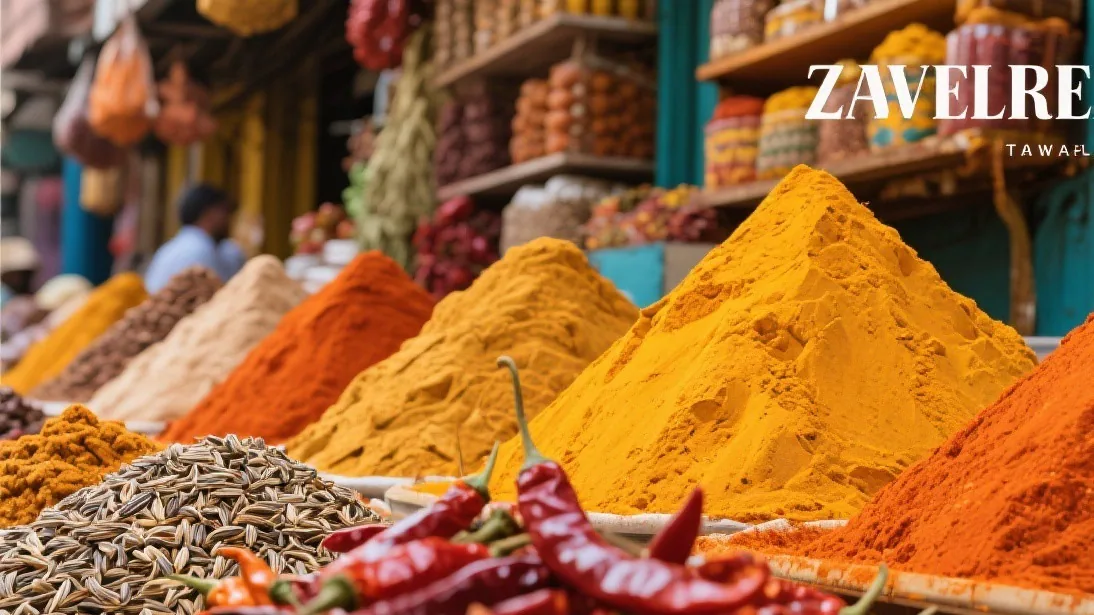
Mexico City offers a density of visual information that few cities can match. The markets alone, La Merced, Jamaica, and Sonora, contain enough material for weeks of shooting. The street food stalls, with their steam and neon signs, create natural stages. The architecture spans pre-Hispanic ruins, colonial palaces, and brutalist government buildings. Most importantly, the people are accustomed to cameras without being performative. In four weeks, I was challenged twice. Both times, a simple conversation in Spanish resolved the issue. I always carry small prints of my best shots from the day to give to my subjects. This practice, learned from a photographer in Oaxaca, has transformed my relationship with the people I photograph.
Gear and Settings
For street photography, I use a Fujifilm X100V with a fixed 23mm lens. The camera is small, quiet, and fast. I shoot almost exclusively in aperture priority, usually at f/5.6 or f/8, to ensure enough depth of field for spontaneous compositions. ISO stays on auto, capped at 3200, which handles everything except the darkest alleyways. I never use a flash in street work. The light in Mexico City is strongest between ten and two, which is when the markets are busiest. For softer light, I shoot in the early morning or during the summer rains, when the clouds diffuse the sun into a giant softbox.
Ethics and Approach
Street photography operates in a gray zone of consent. My rule is simple: if someone makes eye contact and clearly objects, I lower the camera and apologize. If they do not notice me, I shoot. If they notice and do not object, I shoot and then approach them afterward to offer a print or a digital copy. I never photograph children without explicit parental permission. I never photograph people in moments of obvious distress. These are not legal requirements; they are personal boundaries that allow me to sleep at night. The best street photographs, in my experience, come from relationships, not ambushes. The marigold vendor allowed me to take her picture because I had spent three days in that market, buying fruit and talking to people, before I ever raised my camera.
Where to Shoot
Beyond the markets, I recommend the following locations. The neighborhood of Roma Norte, especially along Calle Alvaro Obregon, offers a mix of street art, cafe culture, and architectural detail. The Zocalo on a Sunday morning, when the square is full of families and street performers, is chaotic but rewarding. The canals of Xochimilco, early in the morning before the tourist boats arrive, provide reflections and working boats that have not changed in decades. My favorite discovery was a small park in Coyoacan where elderly men play dominoes every afternoon. I spent a week photographing them, and by the end, they were posing for group shots and offering me mezcal.